Roark Capital’s $9.6bn takeover of Subway wagers that disciplined franchising, digital upgrades, and margin-focused innovation can revive a fading giant. Predictable royalties and heavy leverage offer upside, if franchisee trust and brand relevance can be restored.
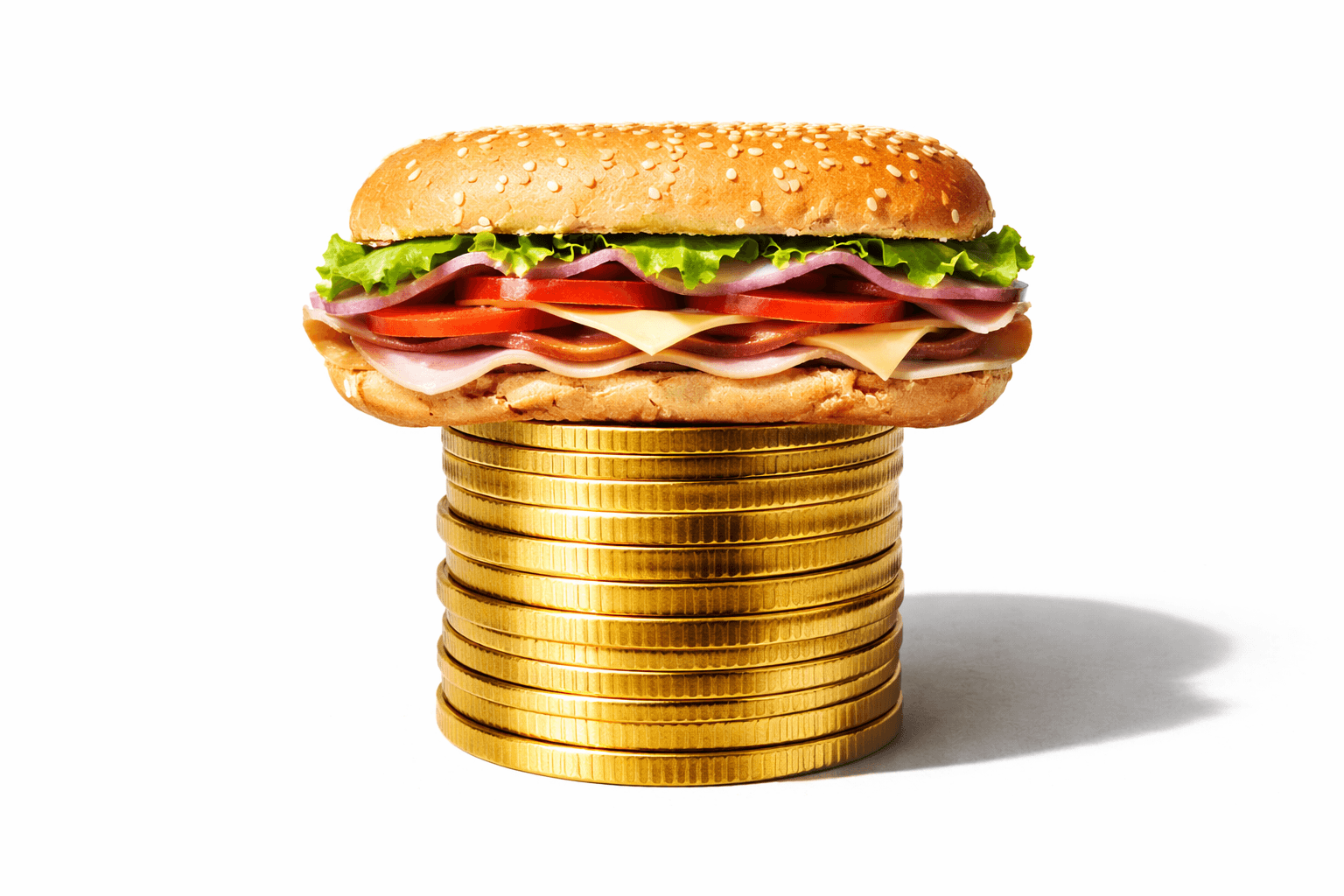
Roark Capital’s roughly $9.6 billion acquisition of Subway marks one of the most consequential private-equity deals in the modern fast-food industry. Announced on August 24, 2023, and closed on April 30, 2024, the deal transfers ownership from the founding DeLuca and Buck families to Roark’s affiliates. The transaction was financed through a combination of equity and a record-breaking $3.35 billion whole-business securitization (WBS). This structure leverages the brand’s royalty streams to secure lower-cost debt. Subway is a legacy brand—behind only McDonald’s and Starbucks in U.S. locations among all food and beverage chains—yet burdened by declining U.S. store counts (down to roughly 20,000 units in 2023 from a peak of nearly 27,000 in 2015), strained franchisee relations, and a brand identity that has struggled to stay relevant. This combination of recurring, predictable cash flow (generating approximately $970 million in 2023 revenue) and a fragmented, even incoherent, market strategy made it a prime target for Roark’s ability to extract value from low-hanging fruit.
The immediate challenge encountered by Roark Capital is the unstable and fractured relationship between Subway and its franchisees. For years, franchisees complained about mandatory promotions that eroded margins and limited support from corporate leadership, leading to weakened trust and reduced willingness to reinvest in stores. The most devastating example was the notorious “$5 Footlong” campaign. The price point became unsustainable as food and labor costs rose, eventually leading to franchisee revolts. The underlying grievance was that headquarters pressured operators into unprofitable promotions without discernible gains in brand loyalty. Further eroding trust were reputation-damaging incidents such as the 2013 class-action lawsuit revealing that “footlong” sandwiches often measured only 11 inches. Roark is attempting to resolve these issues directly, pivoting from a volume-based royalty model to a unit-profitability model that incentivizes franchisees through margin-accretive product innovation (e.g., Sidekicks) rather than margin-eroding discounts. Using substantial leverage and a patient, acquisition-focused strategy centered on chain and franchise businesses, Roark can apply the classic private-equity playbook to Subway. As recurring royalty cash flows amortize the debt and enhance equity value, Roark can use its centralized management position to implement necessary upgrades that escaped prior leadership rather than rely on promotional gimmicks that have harmed other franchises such as Red Lobster.
A target such as Subway has highly standardized operations and workflows scaled across nearly 40,000 locations. Compared with much smaller and less visible competitors like Jimmy John’s and Jersey Mike’s—each with fewer than 10 percent of Subway’s locations—solving user and franchisee experience issues at Subway presents Roark with a significant opportunity to dominate the sandwich market through pricing power and operational efficiency. Many of these gains can be achieved without major capital investment or radical business-model change, given the relatively low cost of technological improvements and the ability to eliminate unnecessary promotional spending.
As a financial sponsor, Roark has greater visibility into macro trends crucial to specific industries than prior management. One key trend is digital transformation. Technology is reshaping the industry through online ordering, mobile apps, and delivery services that are integral to customer convenience. It also enables greater personalization, such as meal customization within an app or recommendations based on previous orders. As a new steward with strong internal-rate-of-return incentives, Roark is positioned to drive this transformation nationwide. From its centralized vantage point, Roark can also identify best practices among franchisees and implement them system-wide to strengthen brand perception. In addition, it can rationalize procurement and supply-chain practices, optimize location distribution and growth strategies, improve foot traffic, and minimize cannibalization. Roark is actively reshaping Subway’s menu to align with emerging consumer trends—particularly demand for high-protein, low-carb options such as new “Protein Pockets.” By leveraging supply-chain synergies within its Inspire Brands portfolio, Roark is introducing premium savory flavor profiles and globally inspired formats to elevate the brand beyond its discount-driven roots.
The Roark acquisition of Subway may serve as a model for continued private-equity-driven rationalization of the fast-food industry. The deal mirrors Roark’s successful turnarounds of Arby’s (2011) and Buffalo Wild Wings (2018), as well as its $11.3 billion take-private of Dunkin’ Donuts in 2020. Already highly scaled and operationally standardized, the industry’s fragmentation among dispersed franchisees makes fast food well suited to the private-equity model: implement relatively inexpensive technological upgrades across franchise systems and build brands that dominate specific segments, whether sandwiches, seafood, or other categories. Existing recurring cash flows reduce the need for significant capital injections while investors wait for returns, and leverage creates the conditions for high internal rates of return. If Roark can replicate the “Arby’s playbook”—fixing unit economics first and then layering on brand innovation—Subway may ultimately return to a leading position in the sandwich market.