By taking Skechers private, 3G gains freedom from quarterly scrutiny and room to reshape operations. But with heavy debt and a consumer-facing brand, aggressive cost-cutting carries real risks.
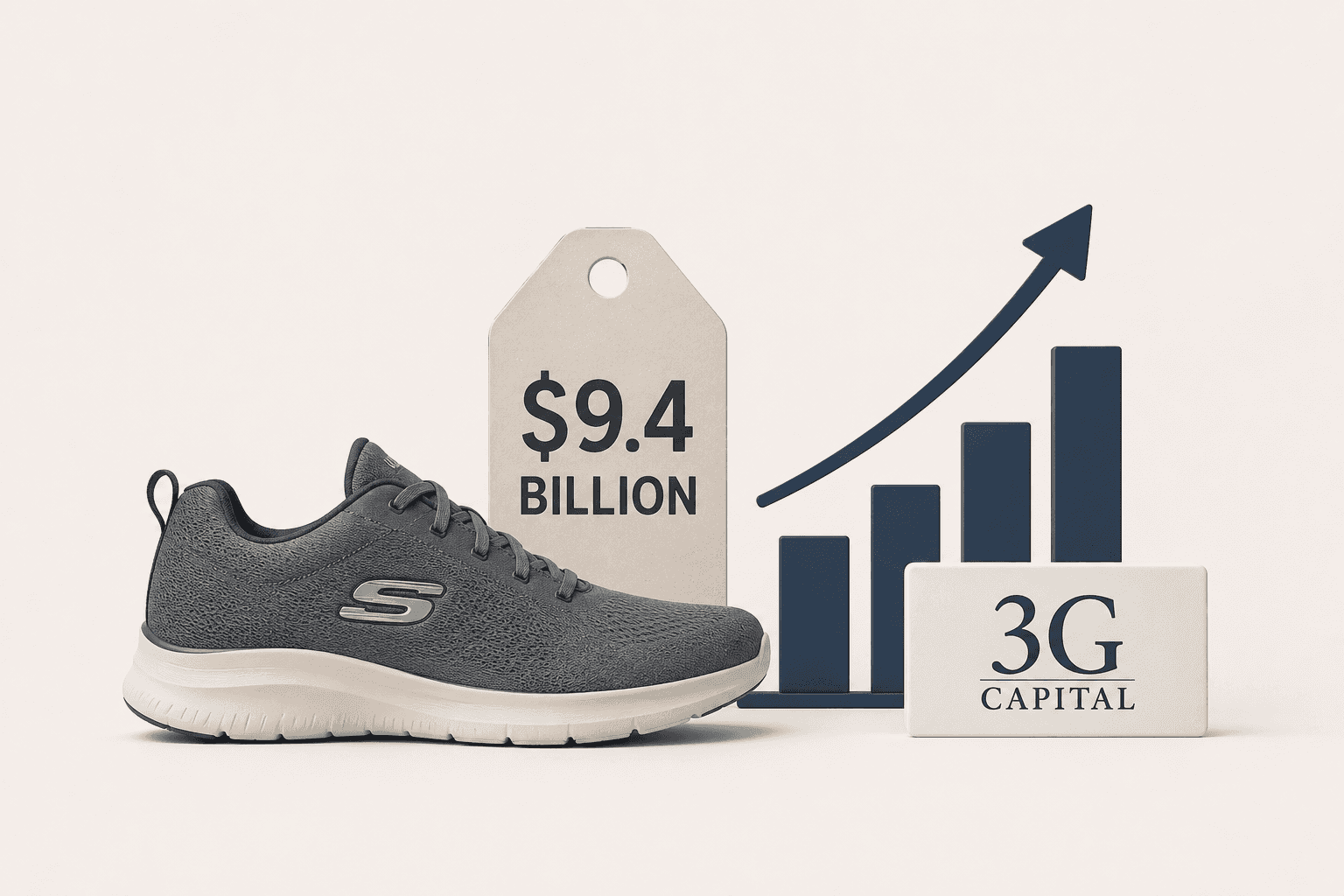
One private equity deal that has been drawing attention recently is 3G Capital’s acquisition of Skechers, which took the company for $9.4 billion. 3G announced the deal May 5th, 2025 and completed it on September 12th, 2025. 3G created acquisition companies, such as Beach Acquisition Co Parent, LLC, to purchase the company. Skechers is a very popular brand, and it continues to make a lot of money. However, recently Skechers has been facing higher short-term costs, causing its value to drop in the stock market. 3G is a private equity investment firm that has a record of purchasing large businesses with well-known brands. 3G took the opportunity of Skechers facing difficulties to acquire it, making this the largest footwear buyout. Overall, although Skechers is already a mature company, I believe this acquisition will allow its valuation to grow. The shareholders of Skechers were given two options: an all-cash consideration or a mixed consideration. They had to choose between getting $63 per share or $57 per share plus one unit of equity in one of the parent companies created by 3G. The equity is an ownership stake in the private company after the buyout, but cannot be publicly traded. However, the mixed option is limited to only about 29.9 million shares. This means that not all the shareholders who choose that option are guaranteed it if too many people choose it. This offer also includes about a 30% premium compared to Skechers’ stock price.
This deal really stands out because Skechers is not a struggling or small business; it is one of the most well-known sneaker brands in the world. Skechers had a record annual sales of $8.97 billion in 2024, with around 5,300 retail stores worldwide. It has a great distribution system, as its revenue is split between Wholesale ($5.100B) and Direct-to-Consumer ($3.869B). A potential threat to Skechers is the competitive footwear industry. Skechers is in the same market as Nike, Adidas, Crocs, and other globally known brands. Compared to Nike, Skechers is seen more as a cheaper everyday shoe rather than high-performing athletic shoes. This reputation can hold Skechers back, as buyers may be willing to pay less for the shoes. In general, the footwear industry has been dealing with newer issues, such as tariffs and changes in trade policies, hurting margins as they rely on Asia-based suppliers, with China production making up nearly 38% of U.S. sales (Mishra, 2025). According to Reuters, on April 24, 2025, shortly before the deal was announced, Skechers withdrew its annual results forecast because of the U.S. government’s erratic trade policies and tariffs. Because of this, the company's shares dropped 7%. This private transaction story is not just about Skechers, but it also represents a larger trend of big brands facing supply chain problems, creating an opportunity for private investors to buy the company and try to improve it.
This acquisition appears to be a sound strategic move, but it leaves little room for error. The hard part is that 3G must improve the business without damaging the brand. There is a difference between buying Skechers and a struggling company and making easy fixes to improve it. Skechers was already growing before the deal, as its revenue grew from $7.45 billion in 2022 to $8.97 billion in 2024. The company’s operating margin rose from about 7% to around 10% over that period. The question of this transaction is not, “Can 3G save Skechers?” The real question is whether 3G can improve Skechers’ profits enough to justify the debt it took on to buy the company.
3G wanted this deal for several reasons. First, Skechers already has a strong scale and reach in the world. Benefits include buying materials in large quantities, shipping products more cheaply, and distributing shoes to many more stores. Furthermore, Skechers was already growing in profits, as it gained a net income of about $639 million in 2024. Lastly, taking Skechers private allows 3G to make changes in the company more freely without worrying about quarterly earnings, and it avoids pressure from public investors. When a company is publicly traded, it has to report its financial results every quarter. Investors watch these quarterly reports closely, so if profits drop if a company tries something new, the price of its stock could drop fast. Because of this, public companies are less likely to experiment, as they want to avoid making changes that could hurt short-term profits, even if they would be helpful in the long run. Taking Skechers private allows it to make large changes, without the worry of the impact of stock price if there are lower profits in the short run.
For example, 3G could diversify manufacturing, outside of China or attempt to reduce operating expenses. These changes could lower profits, but make the company worth more in several years.
A big risk for Skechers is the debt used to make the purchase. The deal was financed through term loans, secured notes, and about $2.2 billion in PIK toggle debt.
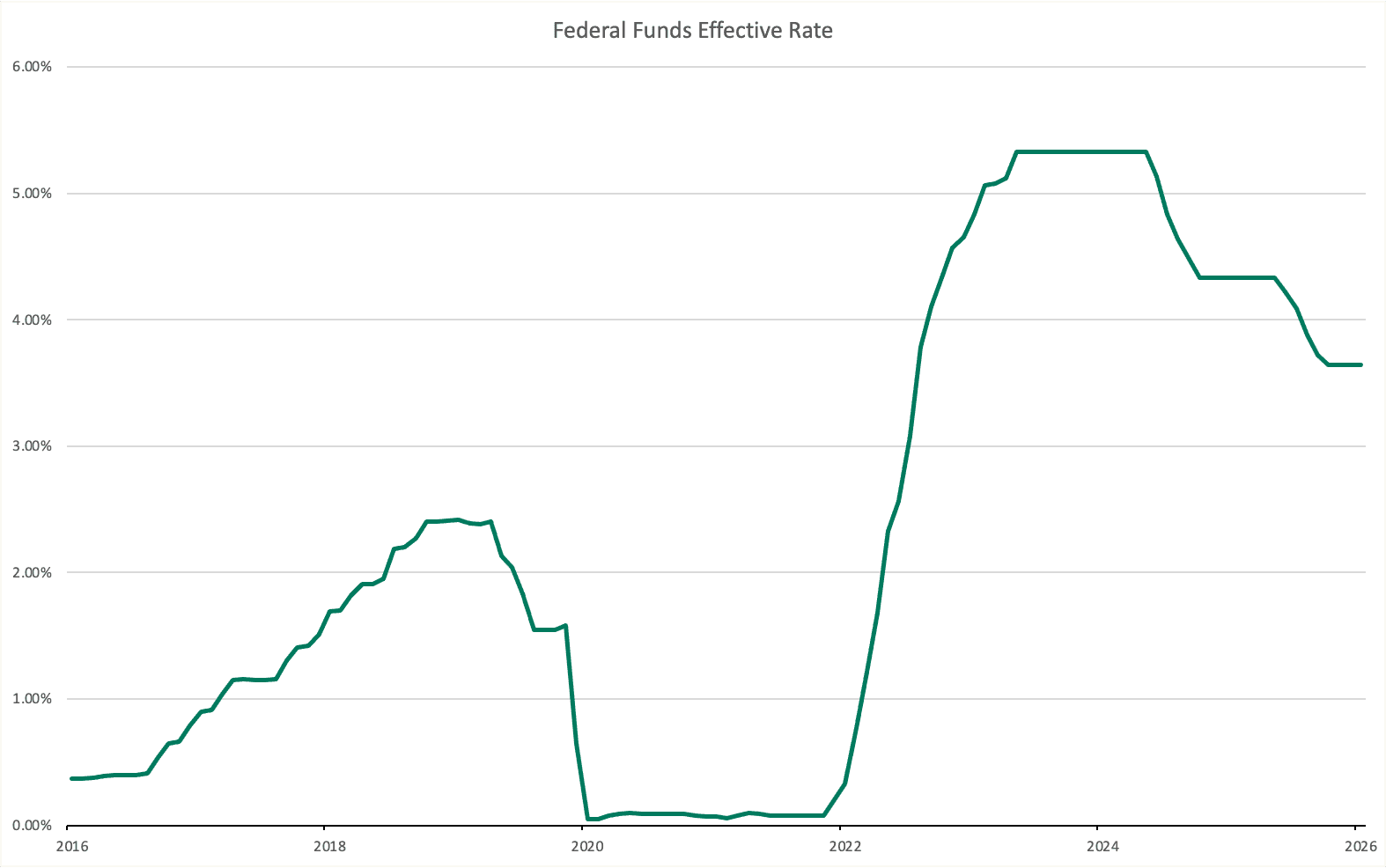
The above illustrates the Federal Reserve’s high-interest-rate environment during the period surrounding the Skechers acquisition. Elevated short-term rates increased financing costs for leveraged buyouts, raising the risk associated with debt-heavy transactions. Term loans are bank loans that the company must repay with interest. Secured notes are loans in which lenders can claim the company’s assets if the debt is not repaid. PIK toggle debt is a loan that defers the company's interest payments by adding it to its total debt rather than paying it in cash upfront. Financially, this deal was a risky move. Debt can change a company. A company with little debt can more freely take risks, while a company with higher debt focuses on consistent cash flow so it can pay its interest payments. Skechers’ debt could become a serious issue, especially if tariffs increase costs of the product or if demand for the product decreases.
Another potential risk is 3G’s ability to run Skechers well after buying it. Can the new managers carry out the plans effectively? 3G is known for aggressively cutting costs, which has worked successfully in the past. When 3G was building AB InBev, a beer company, it significantly improved the business by removing unnecessary costs. However, this strategy is not guaranteed to work, especially for companies that rely on consumers' trust in the brand. If too many of Skechers’ costs are cut, it could undermine parts of the company that keep it popular with consumers. One example is product development. If product development receives insufficient funding, consumers might lose interest in the designs and switch to competitors.
Given the above, the deal is most likely to succeed rather than fail. In the best-case scenario, 3G improves Skechers' operations. At the same time, it successfully diversifies Skechers’ supply chain by reducing risks caused by tariffs and cutting unnecessary costs. If 3G can do that while not cutting too many costs and hurting the brand name, Skechers could see higher profits and eventually return to the public market. Skechers could also be sold at a higher valuation if 3G is successful. Based on 3G's typical operational strategy, estimate a 30% probability of this outcome. The most likely outcome, with about a 50% probability, is that 3G will improve operations and reduce some costs. However, tariffs and competition in the footwear industry will limit how much profit can increase. Skechers would likely become somewhat more profitable in this situation and could still return to the public market after about five years. The worst outcome, which is estimated at about a 20% probability, would happen if the debt overwhelms Skechers, as the deal creates a lot of debt for Skechers. If tariffs continue to greatly impact the supply chain, the company may struggle to manage its debt and be unable to improve its operations.