
Merck’s decision to walk away from Revolution Medicines highlights the tension between scientific promise and financial risk. In oncology, even breakthrough drugs carry uncertain returns, leaving firms to weigh billion-dollar bets against fragile probabilities.
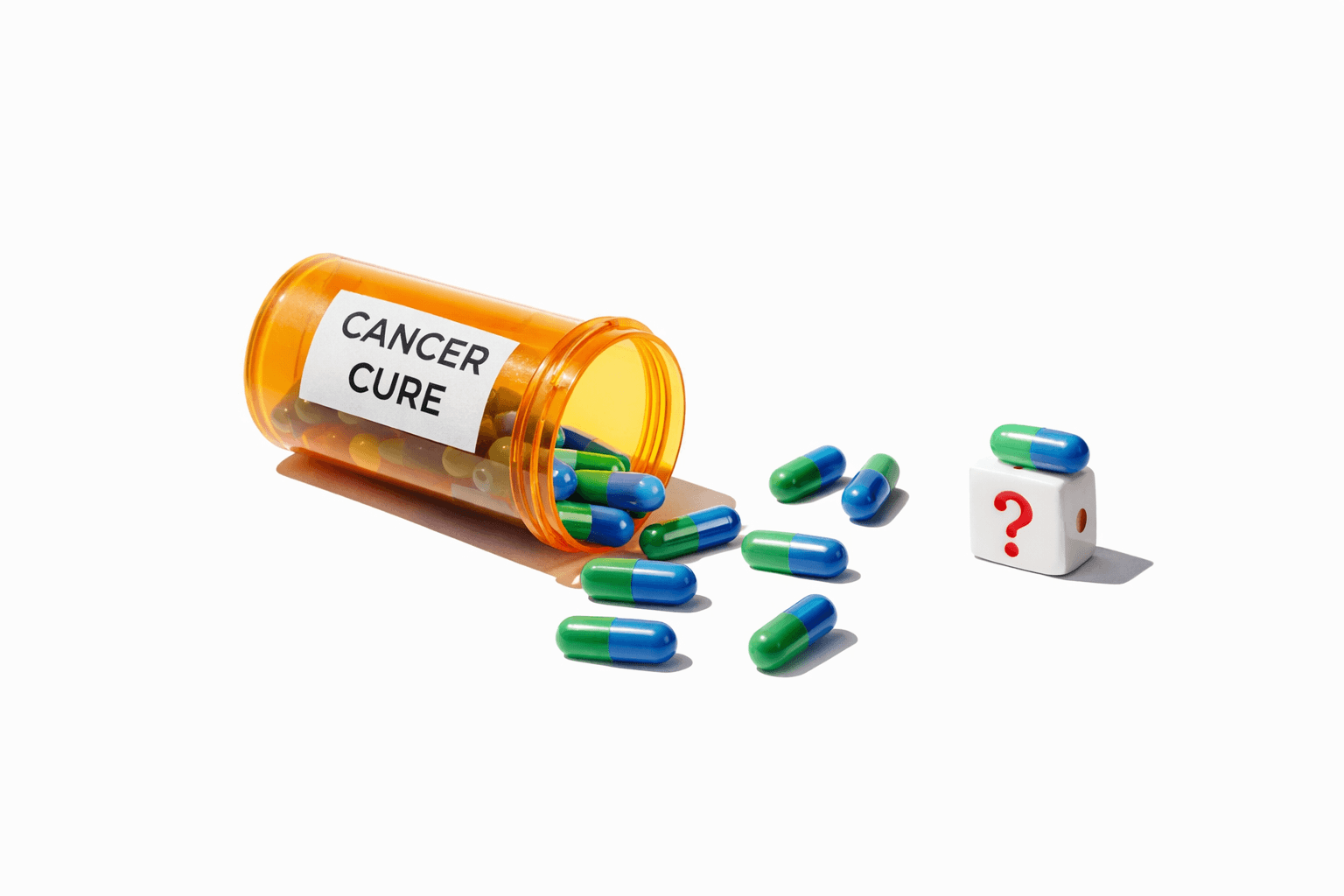
One of the most challenging issues in the modern world is the emergence and persistence of new diseases that affect us directly or impact those close to us. Among these, cancer stands out as one of the most prevalent, affecting a third of the entire population. It comes in many shapes and forms and often causes irreversible symptoms anywhere in the body. More specifically, a significant portion of these cancers is influenced by RAS mutations, which are present in nearly all pancreatic cancers, half of all colorectal cancers, and roughly thirty percent of all lung cancers. This race for a cure has pushed many biopharmaceutical companies to focus entirely on creating a cure for cancer.
Amongst the sectors in the global therapeutic market, oncology dominates as the highest market share and revenue-producing area. It boasts a market size of $250 billion while having a CAGR of 10-15%, which is substantially high for any healthcare sector. The United States has spent the highest on cancer research with a total spending of nearly half of the entire oncology market, which makes it a leading innovation hub for emerging medicines to combat the ever-emerging strains of cancer. In addition, roughly 20 million new cancer cases emerge globally, and with the extremely high average cost of cancer treatment, the oncology sector represents a highly attractive commercial opportunity for many pharmaceutical firms. Despite the massive potential for revenue-generation, it is uncommon for highly promising firms to be passed over by major pharmaceutical companies, as such as in the case between Merck and Revolution Medicines. Why would this be the case and did they make the right choice?
To understand the basis for the failed acquisition of Revolution Medicines, we have to understand its key product: Daraxonrasib. This experimental drug is the main product of Revolution Medicines that aims to treat cancers driven by the RAS mutation such as pancreatic ductal adenocarcinoma (PDAC) and non-small cell lung cancer (NSCLC). At the time of the multiple potential acquisitions, Daraxonrasib was in its late stage of Phase III clinical trials, which indicated that it was virtually close to being approved and released for public clinical trials. With a product this good, why wasn’t it sought out and acquired by many of the big pharma companies? Well, Revolution Medicines did have acquisition potential between two of the largest pharmaceutical firms, AbbVie and Merck. In early January, WSJ released a notice of AbbVie being in advanced talks to acquire the biotech firm, in what would have been one of the year’s first megadeals. However, this was later reported to be false as AbbVie denied any claim in doing so. Subsequently, Merck had been in talks to acquire Revolution Medicines at a valuation of $30 billion. Unfortunately, neither firm could agree on a suitable acquired price which resulted in Revolution Medicines remaining as its independent public company.
Despite this upset, there is a possibility that this deal could work in favor of Merck. The first thing to be considered is the integration risk that comes with acquiring a smaller company, in which differences between either of the two companies’ profiles could result in a failed integration. Fortunately, Merck derives most of its sales and revenue from its main product, Keytruda. This drug assists the body in attacking cancer cells, which can work hand in hand with Daraxonrasib to serve as a combination treatment. Thus, Merck’s dominant oncology portfolio can serve as an ideal place to lay out the foundations for this blockbuster drug. Another problem would be the lack of reliability. One potential reason why the two largest pharmaceutical firms might have rejected the potential acquisition of a game-changing drug like Daraxonrasib could be because of the low risk-adjusted return. This biopharmaceutical drug focuses on KRAS, which historically has been one of the hardest targets in oncology due to its combination of challenging hurdles that created an inability to target treatment options. Thus, even if the product looked like it had been progressing well, there was still high scientific risk and low probability of success. However, from a competitive standpoint, Revolution Medicines is the dominant competitor within the oncology market. Including Daraxonrasib, Lumakras and Krazati are two other KRAS treatment drugs that have already entered Phase IV for clinical trials and are available to the public. Similar to Daraxonrasib, both proven drugs are designed to treat cancers driven by various KRAS G12 mutations. The only difference being that Daraxonrasib treats mutations that further include G12C, G12D, and G12V, essentially targeting a wider patient population. As a result, taking on this high-risk opportunity could position this promising drug as a leading contender within one of the most lucrative sectors in healthcare. This high risk could be offset by implementing CVRs within the acquisition deal or pursuing an all-stock deal if the belief within Revolution Medicines is firm.
Ultimately, the decision not to pursue an acquisition of a potentially game-changing company subjects a missed opportunity for Merck’s oncology portfolio to flourish into a treatment with strong revenue-generating potential. Although the oncology market will continue to produce new entrants, Revolution Medicines is well-positioned to remain at the forefront.
Next Article

Related Topics