
How the disruption in the Strait of Hormuz continues to ripple through energy markets, trade routes, and geopolitics.
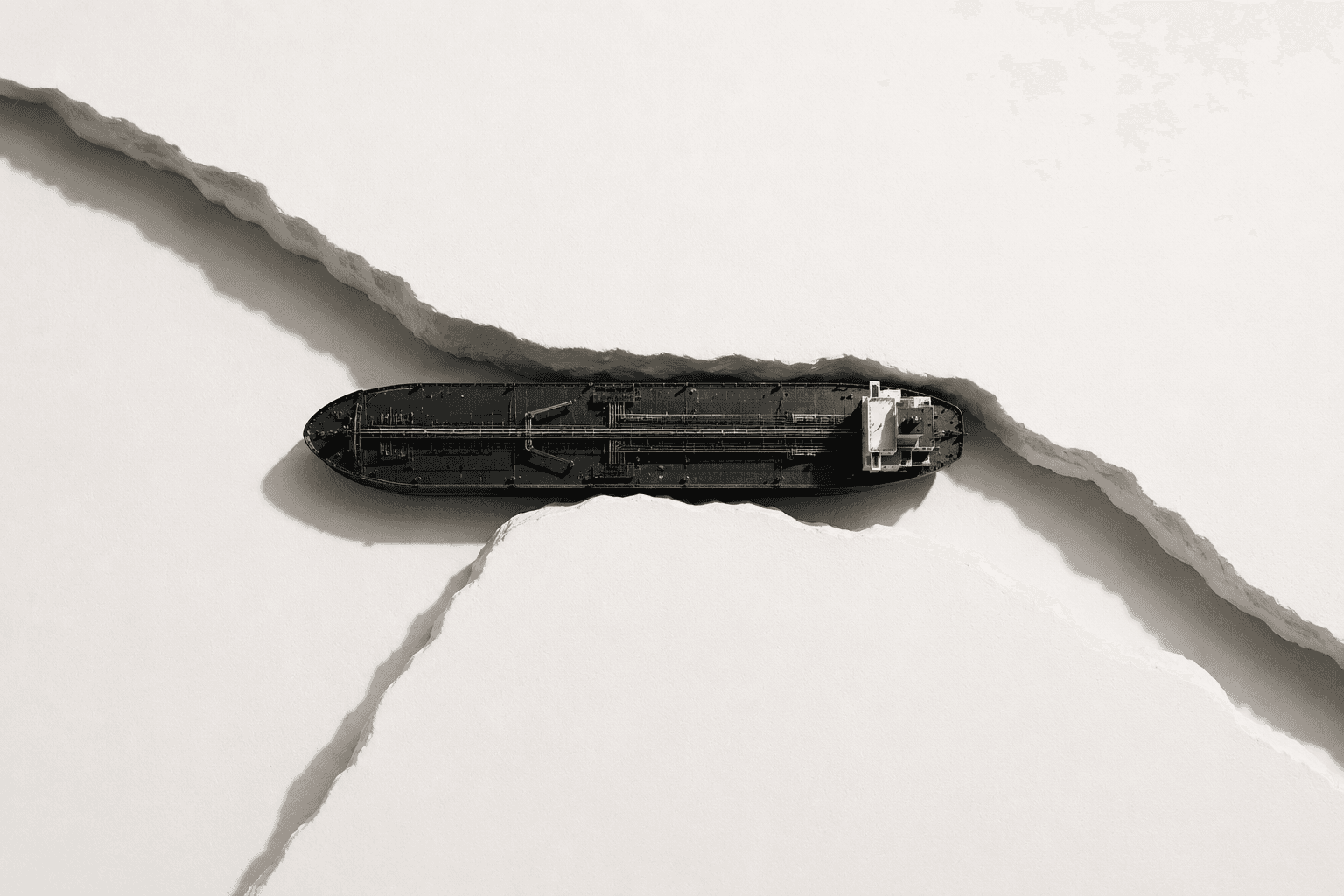
Over two months have passed since the launch of US strikes on Iran on February 28th, 2026, which has in turn triggered Iran’s closure of the Strait of Hormuz. Located between Oman and Iran, the Strait of Hormuz serves as a crucial connection point between the Persian Gulf, the Arabian Sea, and the Gulf of Oman - its de facto role as a geographic connector has made it a key player in global trade and shipping. In January 2026, the Strait of Hormuz was the passing point of an average of 20 million barrels of oil per day on about 130 daily ships. Yet, the events that have unfolded since February 28th make the future of the Strait of Hormuz - and, subsequently, the future of shipping and trading substances like oil and gas - concerningly uncertain.
The 1980s already saw the outbreak of a war between Iran and Iraq, for reasons of conflicting interests over dominance in the Persian Gulf. Throughout the decade, the war consisted of attacks on enemy oil tankers, vessels, and oil production facilities, with neighboring countries and the rest of the world eventually starting to feel the toll of the shipping and trading constraints brought about by the conflict. The US naval intervention in May of 1987 was caused by the 37 American deaths that occurred as a result of the accidental hitting and sinking of USS Stark by an Iraqi missile. The intervention eventually straightened out the situation in the Gulf and restored prior shipping routes across the Strait of Hormuz. Moreover, the intervention resulted in a stabilization of global oil prices after a brief spike to $22.75 per barrel in the initial stages of the intervention, with OPEC producing above its quota by 3 million barrels per day towards the end of the intervention. While Iran has threatened the world with the closure of the Strait of Hormuz upon being imposed sanctions since the 1980s, the situation has never matched the severity of the events of 2026.
Today, negotiations over the conflict in the Strait of Hormuz between the US and Iran are still unfolding as the tentative ceasefire, initiated on April 7th, barely holds. The instability of the ceasefire is primarily due to reported attacks from both parties despite the ceasefire, with the 4th of May having seen the destruction of 7 Iranian boats by US forces upon their attempt at intervening in the US’s move of 2 commercial vessels across the key waterway of the Strait of Hormuz as part of Trump’s Project Freedom initiative. As instabilities in the ceasefire continue, oil and gas prices remain at a long-time high: as of May 2026, Brent crude oil has surged over 55% its pre-conflict value (ranging from $70 to $72 per barrel in early February 2026) and US gas prices have risen to $4.56 in May - an increase of $0.42 since April. As prices increase and the near future and eventual outcome of the conflict remain unclear, several projections have come to light regarding how the conflict will evolve over time, and how the world will be impacted by those developments.
One possibility to consider is the long-term remainder of the Strait of Hormuz blockade as negotiations remain unsuccessful. The impacts of such a scenario would vary geographically, as global key oil and gas suppliers vary by region. While approximately 25% of the global seaborne and overall global oil and petroleum trade went through the Strait of Hormuz prior to the conflict, 89.2% of those supplies were imported into Asian countries, making them the primary affected regions upon the closure of the Strait. Contrastingly, only 3.8% of those supplies went on to Europe. Today, most of the oil and gas is being delivered to Europe through the alternative pathway of the Red Sea pipeline, specifically the East-West pipeline in Saudi Arabia. On the other hand, as of early 2025, the US only relied on 2% of its total petroleum liquids consumption being imported through the Strait of Hormuz, with its crude oil imports from countries in the Persian Gulf being at their lowest level in nearly 40 years due to an increase in domestic production and Canadian imports. Thus, if the blockade continues, US and European oil and gas prices are likely to stagnate, even after an initial increase, due to overall global instability. Asian countries like India, South Korea, Japan, and China would be facing a completely different scenario, though. An analysis of the initial responses of the above countries reveals that the predominant reaction to the Strait’s closure was to implement drastic measures to mitigate the risks associated with new oil and gas shortages. This was exemplified by the implementation of a four-day workweek for officials in the Philippines, with the goal of cutting back on fuel consumption and thus reducing the government’s energy use by 20%. While this goal has been achieved in certain regions, the country remained reliant on Middle Eastern oil exports by 98%; this reliance has caused the national oil supply to fall to approximately 45 days - a stark contrast to the 55-57 days the Philippines had upon the beginning of the crisis. Meanwhile, China, which previously imported roughly half of its oil through the Strait of Hormuz, is undergoing a strategic pivot: its geographical proximity to Russia, which produces roughly 11% of the global daily oil supply, could serve as a viable replacement for oil and gas imports, mitigating short-term shortages. On the other hand, Japan is shifting towards US oil imports as its national reserves steadily run out - the quantity of Japan’s US imports quadrupled from pre-conflict numbers. Overall, the continuation of the closure of the Strait would boost US exports of oil, change lifestyles and day-to-day operations in Asian countries to adapt to the shortages of oil, and possibly solidify and amplify the Chinese-Russian oil trade.
Another scenario to consider would be the reopening of the Strait of Hormuz, as negotiations between Iran and the US result in an actual end to the conflict rather than the tentative ceasefire occurring now. An immediate impact would be a drop from the currently heightened oil and gas prices, especially in Asian countries that have previously been most dependent on Middle Eastern exports. The drop would likely be to a price slightly above the pre-conflict figure, eventually returning to the pre-war value as global shipping routines stabilize. This surge in shipping would also cause a prompt recovery of the Iranian economy, allowing it to reinstate its pre-conflict currency stability and regional investments. The reopening of the strait would significantly impact global financial markets, too, with defense stock temporarily dipping due to the decrease in military activity in the Middle East, while shipping, manufacturing, and tourism sectors would rise due to increased global safety and stability. However, such a scenario would be an overly idealistic one: firstly, the ceasefire would have to go on undisrupted for a significant period of time, taking into consideration the recent violations of it, this aspect of the achievement of the reopening of the Strait is currently unsuccessful. As a result, the reopening of the Strait of Hormuz is more realistic from a long-term perspective, after a sustained decrease and eventual halt to violations of the ceasefire.
Overall, the future of the Strait of Hormuz, while likely to lead to a long-term resolution and reopening of the route, remains uncertain in the short term. As alleged violations of the ceasefire persist, the world will remain in a state of stress as the demand for oil and gas prevails and supply remains scarce.